Introduction
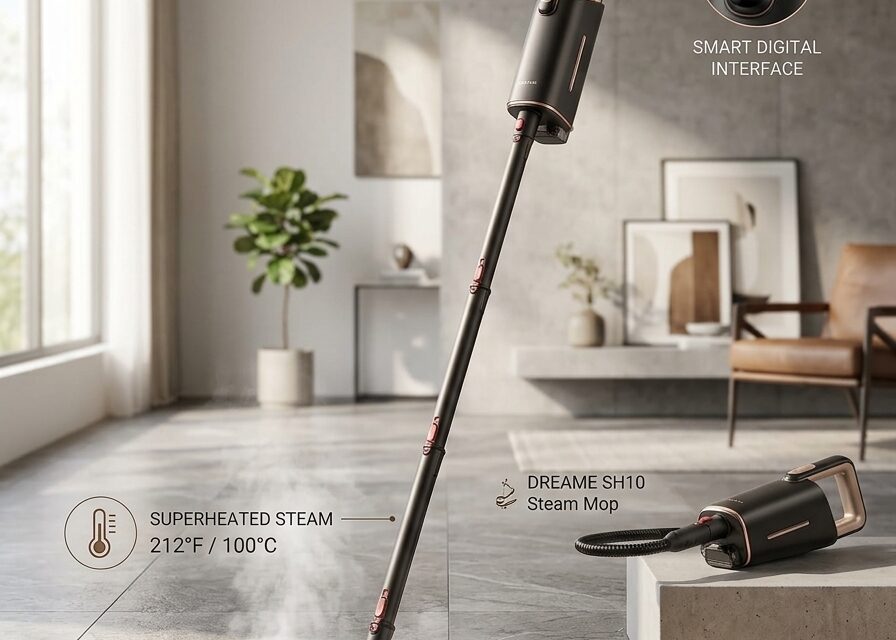
Steam cleaning has become an increasingly popular approach to household sanitation over the past decade, driven by consumers seeking alternatives to chemical-heavy cleaning methods. Among the various steam cleaning devices available today, multi-functional steam mops that combine floor cleaning with handheld capabilities represent a growing category. The DREAME SH10 is one example of this type of equipment that attempts to address multiple cleaning needs through a single, convertible system.
Understanding whether a particular cleaning tool is right for your household requires looking beyond marketing claims and diving into what the product actually does, how it functions, and what realistic expectations should be. This article examines the DREAME SH10 from an informational perspective, exploring its features, practical applications, and considerations to help you make an informed decision about steam cleaning equipment.
What Makes Steam Cleaning Different?
Before discussing the specifics of any steam mop, it’s helpful to understand the fundamentals of how steam-based cleaning works. Steam cleaning relies on high-temperature water vapor to break down dirt and grime rather than relying primarily on chemical detergents. The heat can help loosen soil particles from surfaces, and many people appreciate that this approach requires minimal or no added chemicals.
However, steam cleaning is not universally suitable for every surface or situation. Some flooring types, such as certain hardwoods and laminates, can be sensitive to moisture and heat. Understanding these limitations is just as important as understanding the technology itself.
Key Features of the DREAME SH10
Dual-Functionality Design
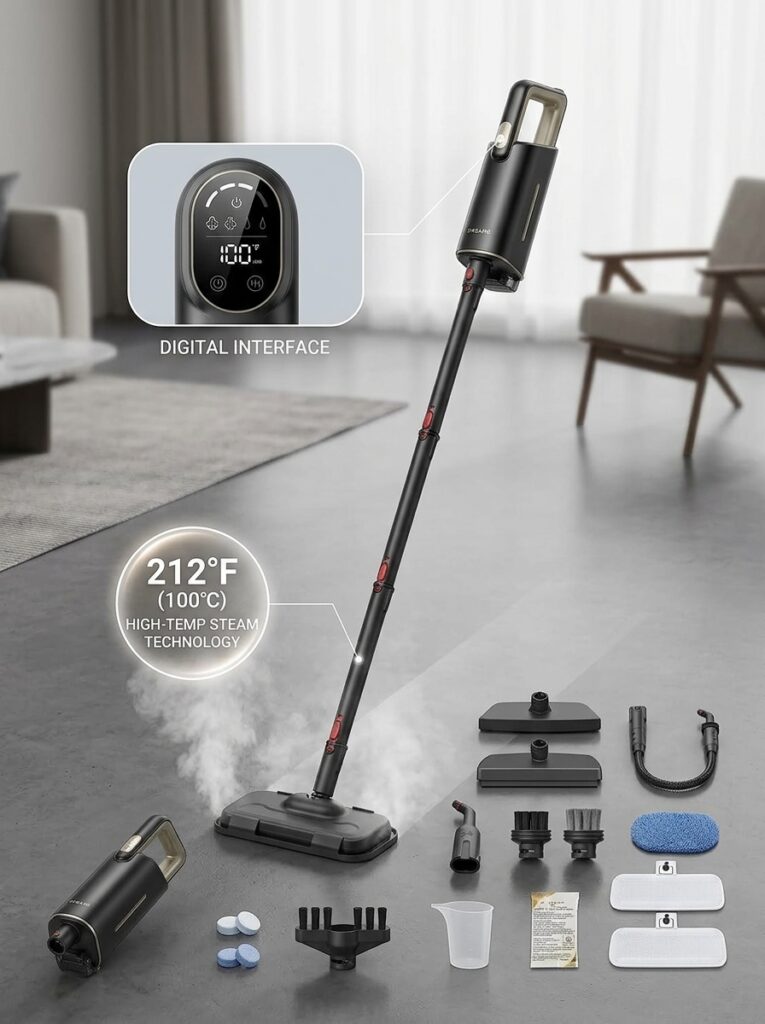
The DREAME SH10 is engineered as a convertible system with both floor mop and handheld components. This dual-function approach means the device can transition from mopping floors to serving as a handheld steamer for various surfaces and fixtures. The detachable design is central to its versatility, allowing users to address different cleaning tasks without purchasing separate equipment.
Lightweight Construction
Weighing 3.8 pounds, the device is considered lightweight compared to many traditional floor steamers. This specification matters particularly for handheld usage, where weight becomes a direct factor in comfort during extended cleaning sessions. A lighter device reduces arm and shoulder fatigue when steaming walls, mirrors, or other elevated surfaces.
Rapid Heat-Up Time
The 15-second steam-up time refers to how quickly the device reaches operational temperature after being powered on. This relatively brief wait time can influence user experience significantly. Longer warm-up periods mean more time spent standing around before cleaning can begin, while faster steam generation allows more immediate use.
Steam Temperature
The 212°F (100°C) operating temperature is notable because this represents the boiling point of water at standard atmospheric pressure. Steam at this temperature is capable of breaking down various types of soiling without relying on harsh chemicals.
Water Tank Capacity
The 350ml (approximately 12 fluid ounces) water tank capacity is on the modest side. This means the device will require more frequent refilling than some larger capacity alternatives. For some users, this might mean stopping to refill multiple times during a single cleaning session.
Safety Features
The device includes a steam safety system designed to prevent accidental burns or uncontrolled steam release. These safety mechanisms are an important consideration, particularly in households with children or pets.
Multiple Cleaning Attachments
The “13-in-1” designation refers to the various attachments and cleaning heads included with the system. These might include different brush heads, pads, and nozzles designed for various surfaces—such as floors, grout lines, upholstery, windows, and fixtures.
How the DREAME SH10 Can Be Utilized
Floor Cleaning
The primary function of the DREAME SH10 remains steam mop operation. When configured in floor-cleaning mode, it works on tile, stone, vinyl, and sealed hardwood floors. The heated steam loosens dirt and dust, which is then wiped away with the mop pad. This function doesn’t introduce chemical residues that some users find objectionable.
For households with sealed hard flooring, steam mopping can be a regular maintenance approach. The lightweight design means less physical strain compared to heavier traditional mops or bucket systems.
Handheld Steam Cleaning
After detaching the handheld component, the device can be used for spot cleaning and addressing specific areas that require attention. Common applications include:
- Cleaning grout lines in tile bathroom or kitchen areas
- Steaming glass surfaces and mirrors
- Addressing stains on upholstered furniture
- Cleaning kitchen appliance exteriors
- Removing buildup from tile walls
- Cleaning baseboards and corners
Bathroom Fixture Cleaning
The combination of heat and various attachments makes the handheld function potentially useful for bathroom cleaning tasks. Soap scum, mildew, and hard water deposits can sometimes be addressed through steam application without extensive scrubbing.
Kitchen Applications
Beyond floors, the handheld function can be directed at kitchen surfaces, stovetops, backsplashes, and around appliances where grease and food residue accumulate.
Who Might Find This Product Suitable
Households Seeking Chemical-Free Options
People who prefer to minimize chemical cleaners in their homes may appreciate steam-based cleaning. This approach appeals to those concerned about chemical exposure, particularly households with young children or individuals with sensitivities.
Allergy-Conscious Users
Since steam cleaning doesn’t produce chemical fumes, it may appeal to people with allergies or respiratory sensitivities who find traditional cleaning products problematic.
Apartment Dwellers and Renters
The lightweight and compact nature of the device makes it practical for apartment living. It can also be transported between locations more easily than bulkier equipment.
Those with Limited Storage Space
Multi-functional devices that serve multiple purposes help address storage constraints. Rather than storing separate floor steamers, handheld steamers, and specialized tools, one convertible device occupies less space.
Users with Multiple Hard Flooring Types
Households with various sealed hard flooring surfaces—tile, stone, vinyl, sealed wood—can use one device across different areas rather than requiring different cleaning approaches for each surface.
Important Considerations Before Use
Water Quality Matters
Steam cleaners generally work better with distilled water rather than tap water. Hard tap water can leave mineral deposits inside the machine over time, potentially affecting performance. Using distilled water may help extend the device’s operational life.
Flooring Limitations
Not all flooring accepts steam cleaning equally well. Unsealed hardwood flooring can be damaged by moisture and heat. Laminate flooring with incomplete sealing can also be problematic. Additionally, some people find that steam cleaning unfinished grout lines can cause discoloration or damage over time.
Moisture Considerations
Steam introduces moisture into your home. In already humid environments or in rooms with moisture sensitivity, this might not be ideal. Adequate ventilation during use is recommended.
The Small Tank and Frequent Refilling
The 350ml tank capacity means you’ll likely need to refill several times when cleaning an entire floor or conducting multiple cleaning tasks. This isn’t inherently problematic, but it’s worth considering if you have a large space to clean.
Learning Curve
Steam cleaning differs from traditional mopping. Finding the right technique—pressure, movement speed, and frequency of pad replacement—typically requires some adjustment period.
Maintenance Requirements
Like any electrical appliance with heating elements, steam cleaners require regular maintenance. This might include descaling with vinegar to address mineral buildup, checking seals, and replacing worn attachments over time.
Comparing Steam Cleaning Equipment Categories
When evaluating any steam cleaning device, understanding how different approaches compare can be helpful.
Traditional Bucket-and-Mop Cleaning remains the most straightforward approach. It requires chemical solutions or simple soap and water. It’s low-tech and reliable but involves manual wringing and physical effort. Steam devices offer a hands-free alternative once set up, though they require electricity and heating time.
Robotic Floor Cleaners with mopping capabilities have emerged in recent years. These autonomous devices can clean floors without human involvement, though they typically don’t use steam and have limitations on floor type compatibility and navigation.
Commercial Steam Cleaning Equipment operates at higher temperatures and pressures than consumer models. They’re more powerful but considerably larger, heavier, and more expensive. They’re typically used for deep cleaning and specialized situations rather than routine maintenance.
Convertible Steam Mops with Handheld Components, like the DREAME SH10, represent a middle ground. They offer versatility and multi-surface capability without the bulk of commercial equipment or the limitations of single-function devices.
Frequently Asked Questions
How often should the device be descaled?
Descaling frequency depends on your water hardness. With distilled water in soft-water areas, descaling might be needed every few months. Hard-water areas might require more frequent descaling. Following the manufacturer’s guidelines provides the most accurate timeline.
Can the steam mop be used on all types of flooring?
No. Sealed tile, stone, and vinyl floors generally work well. Unsealed hardwood, laminate with compromised sealing, and some delicate natural stone floors should be avoided. Always check flooring recommendations before using on new surface types.
Does steam cleaning eliminate bacteria and viruses?
Steam at 212°F can reduce the viability of many microorganisms, though scientific evidence on complete elimination varies by organism and exposure time. It’s effective for sanitation purposes but shouldn’t be relied upon as the sole approach in medical or food preparation environments.
Is the 350ml tank sufficient for a whole house?
This depends on your home’s size and flooring area. For apartments or smaller homes, one or two tank fills might be adequate. Larger homes will require multiple refills during a complete cleaning.
What’s the learning curve for operation?
Most users find the basic operation intuitive after reading instructions. Developing technique for optimal results—pressure application, movement speed, pad contact—typically takes a few cleaning sessions.
Can I use tap water in the device?
While tap water will function, distilled water is recommended to minimize mineral buildup inside the heating chamber and extend equipment life.
How durable are the attachment heads?
Replacement frequency depends on usage intensity. Regular users might need replacement pads or heads every few months, while lighter usage might extend this timeframe. Replacements are generally available for purchase separately.
Conclusion
The DREAME SH10 represents a particular category of cleaning equipment—lightweight, multi-functional steam cleaners designed for both floor maintenance and spot cleaning throughout the home. Understanding its capabilities, limitations, and proper usage is essential for determining whether this type of equipment aligns with your cleaning needs and preferences.
Steam cleaning as an approach appeals to many people for legitimate reasons: chemical reduction, efficiency, and versatility. The convertible design addresses the practical reality that most households benefit from both floor cleaning and spot-cleaning capabilities. The lightweight design makes sustained use less physically taxing than heavier alternatives.
However, steam cleaning isn’t universally applicable. Certain flooring types require different approaches. The small water tank necessitates planning for larger cleaning projects. And like any electronic device with heating elements, proper maintenance affects long-term performance.
Making an informed decision about any cleaning equipment means honestly assessing your home’s specific needs, your flooring types, your storage capabilities, and your cleaning preferences. This article has aimed to provide objective information rather than persuasive marketing language.